






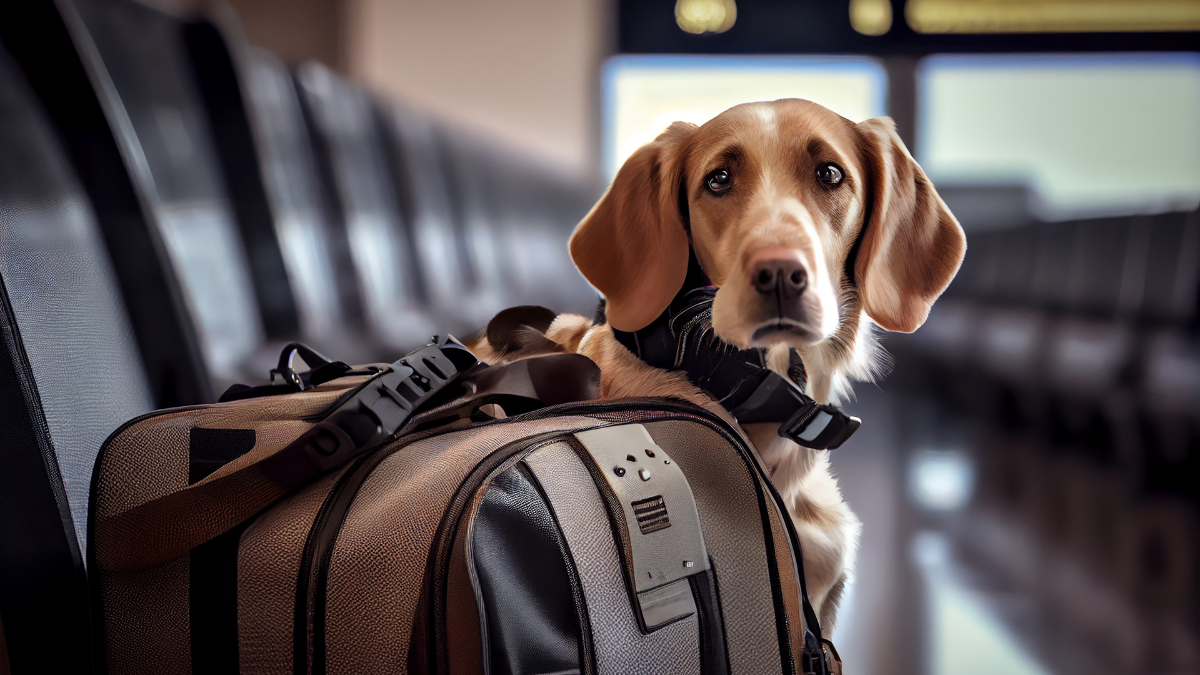
Traveling abroad is exciting, but it can be challenging when your pet accompanies you. You want them safe, calm, and happy during the journey. The good news is that, with the right preparation, you can make it a smooth and enjoyable experience for both of you.
From checking travel rules to packing your pet’s favorite blanket, every small step matters. In this guide, we’ll walk you through everything you need to know before taking your pet abroad. You’ll learn about paperwork, flight prep, safety tips, and where to find the best pet travel tools.
Here are Some of the Things to Know
Planning to take your furry friend on an overseas adventure? Here are the essential things you need to know before traveling abroad with your pet, from health checks and travel rules to packing tips for a smooth and stress-free journey.
1. Know the Rules Before You Go
Before booking your tickets, learn your destination’s pet travel rules. Every country has its own requirements for animals entering from abroad. Missing one detail can cause significant delays or even result in quarantine for your pet.
Check Entry Requirements
Some countries ask for:
- A microchip for identification
- Updated vaccination records
- A rabies certificate
- An official health certificate from a licensed vet
You can easily find up-to-date entry requirements using Sherpa’s Travel Restrictions tool. Simply select your destination and view the required documents for your pet.
Know About Quarantine Rules
Certain countries, like Australia or New Zealand, have strict quarantine laws. Your pet may need to stay in a government-approved facility for a few days. Always plan so there are no surprises upon arrival.
2. Visit Your Vet First
Your pet’s health comes first. Schedule a vet visit at least a month before your trip. This gives you enough time to complete vaccinations, obtain medical records, and ensure your pet is fit to travel.
Ask Your Vet About:
- Required vaccinations (especially rabies)
- A complete health check-up
- Flea, tick, and parasite treatment
- Motion sickness medication, if needed
- Health certificate for international travel
Your vet will issue an official health certificate. This document confirms that your pet is healthy for travel. Keep copies of all medical papers in a folder. You’ll need to show them at the airport and possibly at customs.
Tip:
Ask your vet to create a small travel kit for your pet. Include basic medicine, calming sprays, and any regular prescriptions.
3. Choose the Right Travel Method
How you travel matters for your pet’s comfort and safety. Depending on where you’re going, you may choose to fly, drive, or sail.
Flying with Your Pet
Air travel is a common mode of transportation, but it requires careful planning and preparation. Most airlines have specific pet policies, so be sure to check them before booking.
There are usually two travel options:
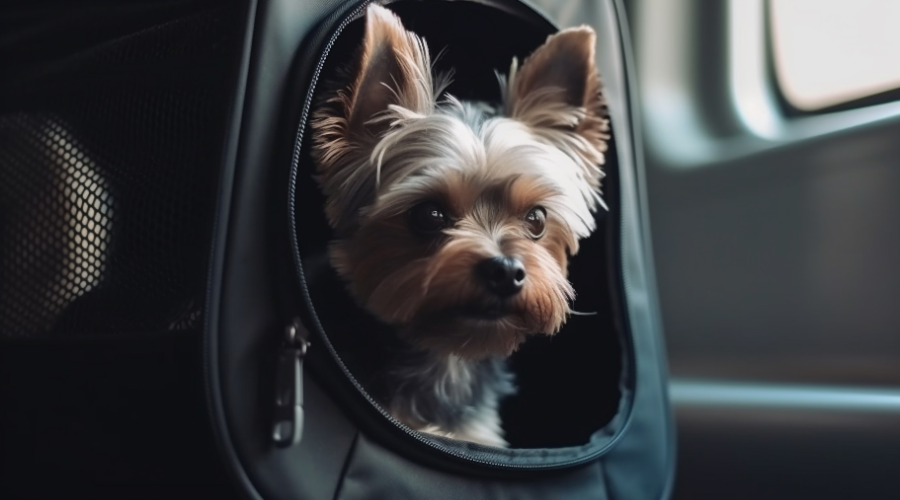
- In-Cabin: Smaller pets (under 20 lbs) can travel with you in the cabin, inside an airline-approved carrier.
- Cargo Hold: Larger pets travel in the cargo area, in a secure and ventilated crate.
Make sure the carrier meets the airline’s size and safety standards. Petmate offers a variety of airline-approved pet carriers designed to ensure your pet’s comfort during flights.
Travel by Car or Ship
If you’re taking a road trip, plan regular breaks for food and water. Keep your pet in a secure seat harness or crate. For sea travel, check the cruise line’s pet policy; some only allow service animals.
Quick Tip:
Label your pet’s carrier with your name, phone number, and destination address.

4. Prepare Your Pet for the Journey
Pets, like people, can get nervous during travel. Helping them adjust to the new experience makes a big difference.
Practice Makes Perfect
Let your pet get used to their carrier a few weeks before the trip. Encourage them to nap or rest inside it. Offer treats so they see it as a safe place.
Take short car rides with them in the carrier to mimic the travel experience. This helps reduce anxiety when the real journey begins.
Packing Comfort Items
Bring items that smell familiar, such as their blanket or favorite toy. These help them stay calm in unfamiliar environments.
Feed your pet a light meal before leaving and avoid heavy feeding right before the trip. Always keep water nearby to prevent dehydration.
5. What to Pack for Your Pet
Packing smart helps you handle anything on the go. Here’s a simple list to guide you:
Pet Travel Checklist:
- Passport, vaccination records, and health certificate
- Collar, leash, and ID tags
- Food and collapsible travel bowls
- Medication and basic first-aid supplies
- Waste bags, wet wipes, and grooming tools
- Favorite blanket or toy for comfort
- Travel carrier or crate
- Extra snacks and a water bottle
6. At the Airport: What to Expect
Airports can be overwhelming for pets. The noise, lights, and crowd can cause stress. Here’s how to make it easier.
Before the Flight
Arrive early to complete pet check-in procedures. Most airlines need extra time to verify documents and inspect carriers.
Ensure your pet has relieved themselves before entering the terminal. You can look for pet relief areas inside many airports.
During the Flight
Keep your pet calm and quiet. If your pet is traveling in the cabin, check on them often but avoid opening the carrier. For cargo pets, airline staff monitor temperature and safety during the flight.
After Landing
Once you arrive, proceed to customs or animal inspection if required. Show all paperwork and wait for approval before leaving.
7. Arriving at Your Destination
Your pet has made it! Now it’s time to help them settle into their new environment.
Customs and Quarantine
Some countries perform a quick health check before letting your pet in. Others require a short quarantine. Don’t worry, it’s usually for the safety of your pet and public health.
Settling In
Once you reach your accommodation, give your pet time to adjust. Set up a small, quiet space with their toys and blanket. Continue feeding and walking schedules similar to those at home. This helps them feel secure.
Need local help? Use Rover to find trusted pet sitters, walkers, or daycare services in your area. It’s a great way to ensure your pet gets care even when you’re out exploring.
8. Staying Safe and Comfortable Abroad
When you’re in a new country, safety becomes even more important.
Pet Safety Tips:
- Keep your pet leashed in public places.
- Always carry identification and a recent photo.
- Avoid extreme temperatures or long walks in hot weather.
- Bring bottled water if the local supply isn’t safe for pets.
- Keep the number of a nearby veterinary clinic handy, just in case.
Some countries have leash or muzzle laws, so be sure to learn the local pet rules in advance. Staying informed helps you avoid fines or trouble.
Travel Insurance for Pets
Consider getting pet travel insurance. It can cover emergencies, lost pets, or canceled trips. Check with your vet or travel agent for good options.
9. Final Tips for a Stress-Free Trip
Before heading out, do one final check:
- Confirm your pet’s health certificate and vaccination dates.
- Double-check airline and country requirements.
- Keep an emergency contact card in your pet’s carrier.
- Bring plenty of treats for comfort and reward.
Remember, preparation is the key to a smooth journey. Stay patient, calm, and positive; your pet can sense your emotions.
Conclusion
Traveling abroad with your pet takes extra effort, but it’s worth it. With the right planning, your furry friend can enjoy the adventure just as much as you do.
Keep their comfort, safety, and happiness at the heart of your journey. Your next trip can be a shared adventure full of memories, cuddles, and wagging tails. Safe travels to you and your best friend!