


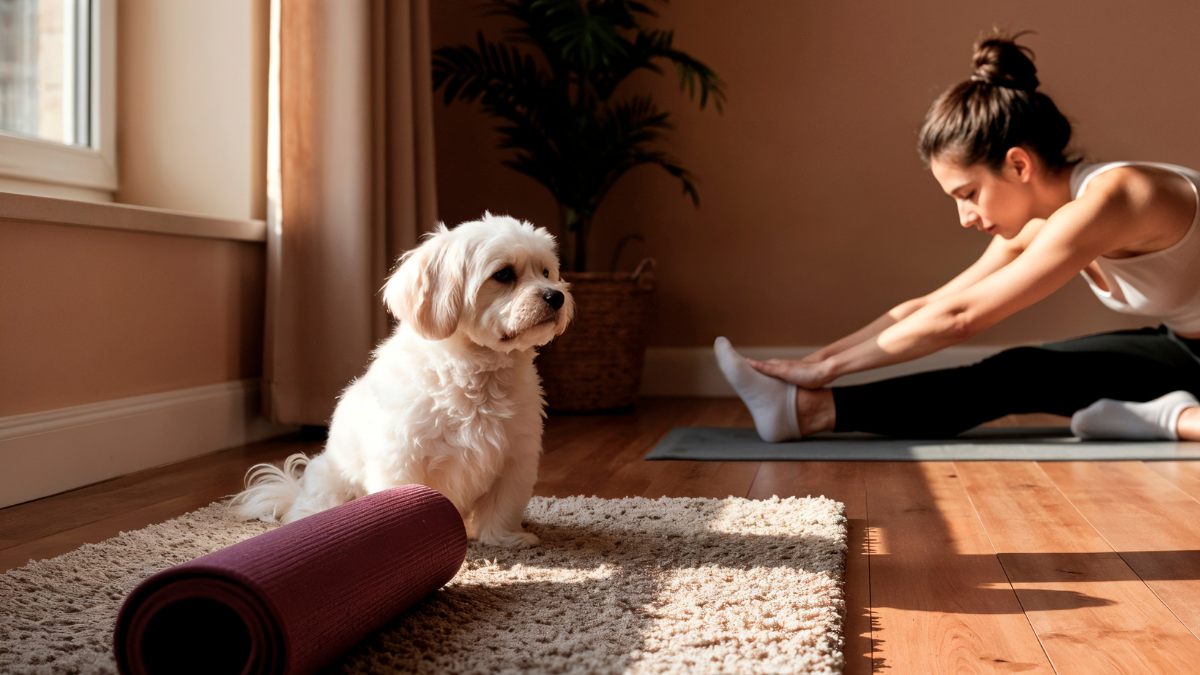
Bringing home a new puppy is one of life’s happiest moments. Their tiny paws, wagging tail, and endless energy bring instant joy to your home. But with all that cuteness comes a little challenge, training. The good news? Training your puppy can be fun and rewarding when done with patience, love, and consistency. Let’s explore simple and effective tips to train your new furry friend at home.
1. Start with the Basics
Training starts the moment your puppy walks through the door. Puppies learn quickly, but they also tend to get distracted easily. That’s why short, positive sessions are most effective.
Create a daily routine that includes feeding times, potty breaks, playtime, and naps. A set schedule helps your puppy understand what to expect. Use gentle words, cheerful tones, and plenty of praise.
Helpful Tip: Use small treats or soft toys available at Petco to reward good behavior. These help keep your puppy motivated during training.
2. Potty Training Made Simple
Potty training can feel tricky at first, but it’s easy with consistency. Choose one outdoor spot and take your puppy there after meals, naps, and playtime. Puppies learn by repetition, so sticking to a routine is key.
When your puppy goes in the right place, praise them immediately. Say something cheerful like “Good job!” and give them a treat. Avoid shouting or scolding in the event of an accident; it only causes confusion and panic.
If you live in an apartment or bad weather hits, you can use potty pads indoors. Over time, slowly move the pads closer to the door until your pup learns to go outside.
Quick Tip: Be patient! Every puppy learns at their own pace.
3. Crate Training for Comfort
Crate training is not about locking your puppy away. It’s about giving them a safe space to rest. Puppies naturally enjoy cozy, den-like areas. A crate can help with potty training and reduce anxiety when you’re away.
Pick a crate that’s just big enough for your puppy to stand, turn, and lie down comfortably. Add a soft blanket, chew toy, or small bed to make it feel homey.
Never use the crate as punishment. Instead, encourage your puppy to see it as their personal space. Start with short periods and slowly increase the time.
4. Teaching Basic Commands
Every puppy should learn simple commands like “sit,” “stay,” “come,” and “down.” These commands make daily life easier and keep your dog safe and secure.
Start in a quiet area with no distractions. Say the command once and guide your puppy into the action. For example, gently lift a treat above their nose to help them sit. Once they do, reward them right away.
Keep each session short, around 5 to 10 minutes. Puppies have short attention spans, so frequent mini-sessions are most effective. Use the same tone and words consistently.
Pro Tip: After your pup learns indoors, practice outside with mild distractions.
5. Socialization and Confidence Building
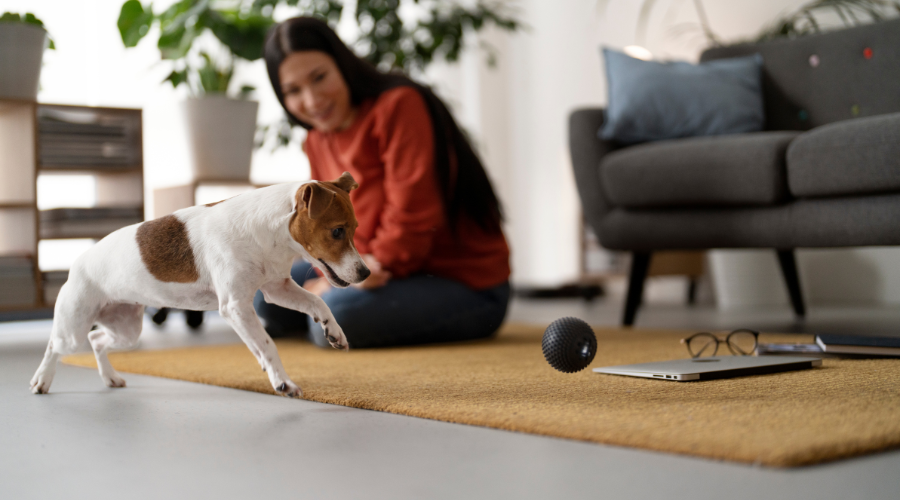
Socialization is about helping your puppy feel comfortable in the world. The more experiences they have early on, the more confident they’ll become.
Introduce them to friendly people, gentle dogs, and safe environments. Let them hear new sounds, such as cars, vacuums, and doorbells. Keep every experience calm and positive.
Social puppies grow into well-behaved adult dogs. Avoid forcing interactions; go at your puppy’s pace.
Example:
Take short walks or visit a local park. Let your puppy sniff around and explore safely.
6. Handling Biting and Chewing
Puppies bite and chew as part of their teething stage. While it’s normal, it can become a problem if not appropriately guided.
When your puppy bites during play, stop immediately and say “ouch” in a firm but calm voice, then offer a chew toy as an alternative. This teaches them what’s okay to bite.
Keep shoes, cables, and small objects out of reach. Teething toys from Chewy can help soothe sore gums and protect your belongings from damage.
Quick Tip:
Rotate chew toys often so your puppy doesn’t get bored.
7. Positive Reinforcement Works Best
Positive reinforcement is the secret to good training. Reward good behavior instead of punishing bad behavior. This builds trust and helps your puppy repeat actions that make you happy.
Use small treats, playtime, or kind words like “good girl!” or “good boy!” right after they do something right. Timing matters; reward immediately so they make the connection.
Avoid yelling or harsh corrections. They only cause fear and confusion. Stay calm, patient, and consistent.
Example:
If your puppy sits when asked, give them a treat right away. That instant reward strengthens learning.
8. Stay Patient and Have Fun
Puppy training takes time. Don’t expect perfection in a week. Every puppy learns differently, and that’s okay.
Celebrate small successes, such as fewer accidents or improved listening. Enjoy these moments, training is also bonding time. When you laugh, play, and praise your puppy, they feel loved and eager to please.
Make each session fun, brief, and filled with encouragement. Remember, the goal isn’t a perfect puppy, it’s a happy, confident one.
9. Essential Training Tools to Try
To make training smoother, gather a few simple tools:
- Training treats: Soft, bite-sized snacks for rewarding your dog.
- Clicker: Helps clearly mark good behavior.
- Chew toys: Keep teething puppies busy.
- Leash and collar: For walks and outdoor training.
- Crate: A safe space for naps and rest.
10. When to Seek Professional Help
Sometimes, you might need extra help. If your puppy exhibits signs of fear, aggression, or excessive barking, a professional trainer can make a significant difference.
Platforms like Rover offer access to certified dog trainers and pet sitters in your area. Early guidance ensures your puppy grows into a well-behaved adult.
Conclusion
Training a new puppy takes time, patience, and love. With consistent effort, clear routines, and positive reinforcement, your child will learn quickly and effectively. Remember to keep sessions short, stay calm, and celebrate every step forward.
Your puppy won’t stay small forever, but the habits you build today will last a lifetime. Enjoy the journey and cherish every wag, lick, and playful moment!