






What Is Compression Wear and Why It Matters
Compression garments are designed to fit snugly against your skin, providing graduated pressure on your muscles and joints. This can improve circulation, reduce muscle fatigue, and support recovery. Initially popularized by professional athletes, compression wear has proven to benefit everyone, not just elite sports enthusiasts.
Key Benefits:
- Enhanced Circulation – Improved blood flow reduces swelling and helps deliver nutrients to muscles more efficiently.
- Reduced Muscle Fatigue – Compression supports muscles during activity, decreasing soreness and enhancing endurance.
- Improved Recovery – Post-workout compression wear can accelerate recovery by reducing lactic acid buildup.
- Posture and Support – Many compression tops and leggings provide gentle support to the core and back, helping improve posture.
- Travel Comfort – Long flights or desk-bound work can cause discomfort and swelling, which compression garments help alleviate.
Compression Wear at the Gym
The gym is the most obvious place to wear compression clothing, but many people are unaware of the variety of ways it can improve performance.
Benefits During Workouts:
- Running and Cardio: Compression leggings and sleeves can stabilize muscles, reduce vibration, and enhance endurance.
- Strength Training: Compression tops and bottoms support joints and help maintain form during lifting.
- High-Intensity Training: Faster recovery between sets allows you to push harder during circuit training or HIIT workouts.
Product Tip: For high-quality compression wear that performs during rigorous workouts, check out Compressionsale.com. They offer a wide range of options suitable for all fitness levels.
Incorporating Compression Into Office Wear
You might wonder if compression clothing is appropriate for the office. The answer is a resounding yes. Modern compression garments are designed to be sleek and stylish, making them suitable under office attire.
How to Wear Compression at Work:
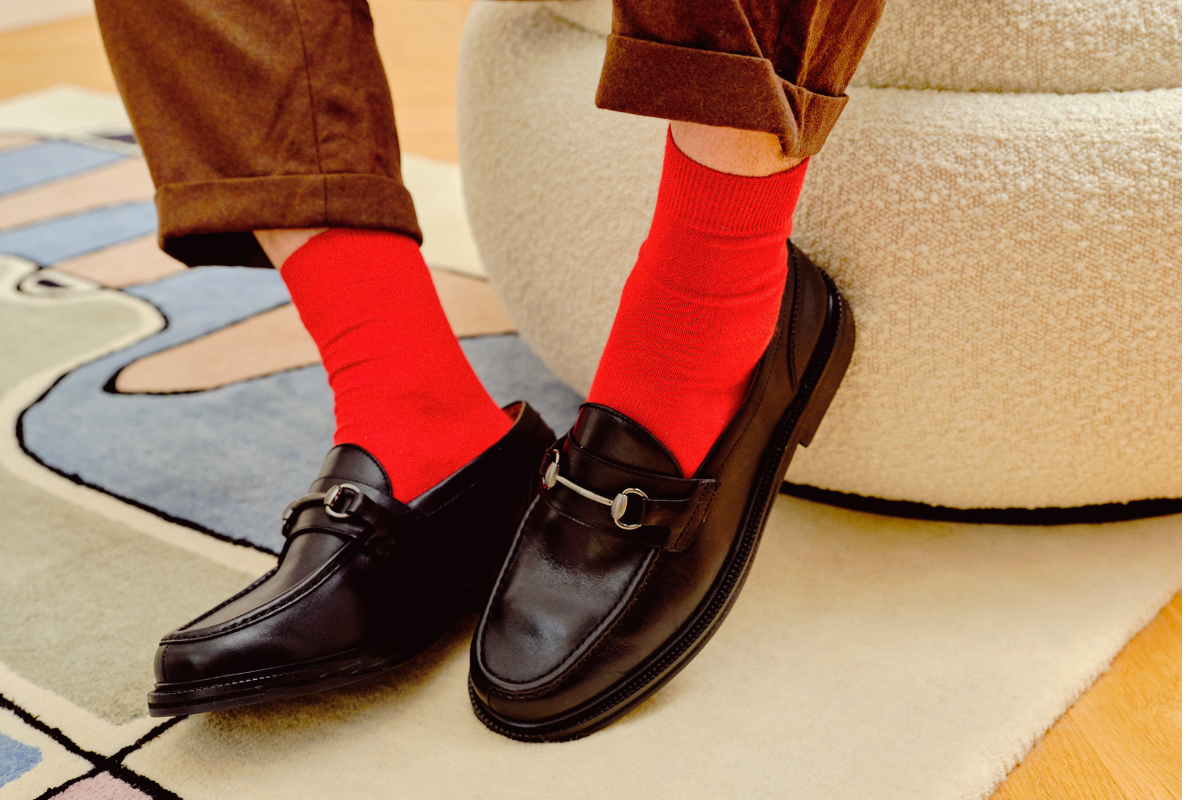
- Compression Socks or Stockings
- These are ideal for professionals who spend long hours sitting. They improve circulation and prevent leg fatigue.
- Pair them with business shoes and slacks for a seamless look.
- Compression Leggings or Tights
- For those who prefer trousers, compression leggings under skirts or dress pants offer subtle support without sacrificing style.
- Many leggings now feature patterns and textures suitable for business casual attire.
- Compression Tops and Arm Sleeves
- Lightweight compression tops can be worn under blouses or shirts, supporting your posture throughout the day.
- Arm sleeves can be discreetly worn under long sleeves to reduce fatigue and maintain circulation.
Pro Tip: Choose neutral colors like black, gray, or navy to maintain a professional appearance while still enjoying the benefits of compression wear.
Compression Wear for Travel and Daily Commutes
Whether you’re taking a long flight, a train ride, or a lengthy car commute, compression garments can significantly enhance comfort and reduce the risk of swelling and fatigue.
Benefits for Travelers:
- Reduced Leg Swelling: Compression socks are particularly effective for long flights.
- Improved Circulation: Helps prevent the formation of blood clots during extended periods of sitting.
- Enhanced Energy Levels: Keeps you feeling fresh and alert after travel, unlike traditional clothing.
How to Use:
- Pack compression socks or leggings in your travel bag for long journeys.
- Lightweight tops and sleeves can double as activewear for airport workouts or walking tours.
Everyday Use: Beyond Gym, Office, and Travel
Compression wear is no longer limited to specific activities. Many people incorporate it into daily life for general wellness.
Examples of Everyday Use:
- Household Chores: Compression leggings or socks can reduce fatigue while standing for long periods.
- Outdoor Activities: Hiking, cycling, and running errands become easier with supportive compression wear.
- Post-Injury Recovery: Compression garments aid recovery from minor injuries or soreness without limiting mobility.
Choosing the Right Compression Garments
Selecting the right compression wear is crucial to maximize benefits and maintain comfort. Here are some factors to consider:
- Compression Level
- Mild (8–15 mmHg): Suitable for daily wear and circulation support.
- Moderate (15–25 mmHg): Ideal for athletic performance and recovery.
- High (25–40 mmHg): Typically used for medical conditions or post-surgery recovery.
- Material
- Look for breathable, moisture-wicking fabrics like nylon or spandex blends.
- High-quality materials ensure durability and comfort throughout the day.
- Fit and Sizing
- Proper sizing is essential; too tight can cause discomfort, too loose reduces effectiveness.
- Many brands provide sizing charts to help choose the perfect fit.
Where to Buy: Compressionsale.com offers a wide selection of compression wear for all activities, from gym sessions to office use.
Tips for Incorporating Compression Wear Seamlessly
- Layer Strategically: Wear compression garments under regular clothes to maintain style and professionalism.
- Rotate Daily: Have multiple sets to ensure you always have a fresh and clean option.
- Pair with Recovery Practices: Use foam rolling, stretching, and hydration alongside compression garments for optimal results.
- Experiment with Styles: Try different products like calf sleeves, full leggings, or tops to find what suits your lifestyle best.
Common Misconceptions About Compression Wear
Despite its growing popularity, some myths about compression garments persist:
- “It’s Only for Athletes” – Compression wear benefits everyone, from office workers to travelers.
- “It’s Uncomfortable” – Modern fabrics are soft, breathable, and designed for all-day wear.
- “You Need a Prescription” – Mild to moderate compression levels are safe for daily use without medical guidance.
Understanding the facts can help you confidently integrate compression wear into your life.
Conclusion
Compression wear is no longer limited to athletic pursuits. From the gym to the office, travel, and everyday life, these garments offer numerous health and comfort benefits. By choosing the right products, layering strategically, and incorporating them into daily routines, you can enhance performance, recovery, and overall wellness.
For a wide selection of high-quality compression gear designed for all aspects of daily life, explore Compressionsale.com. Whether you’re an athlete, a busy professional, or a frequent traveler, compression wear can transform the way you feel and move every day.