




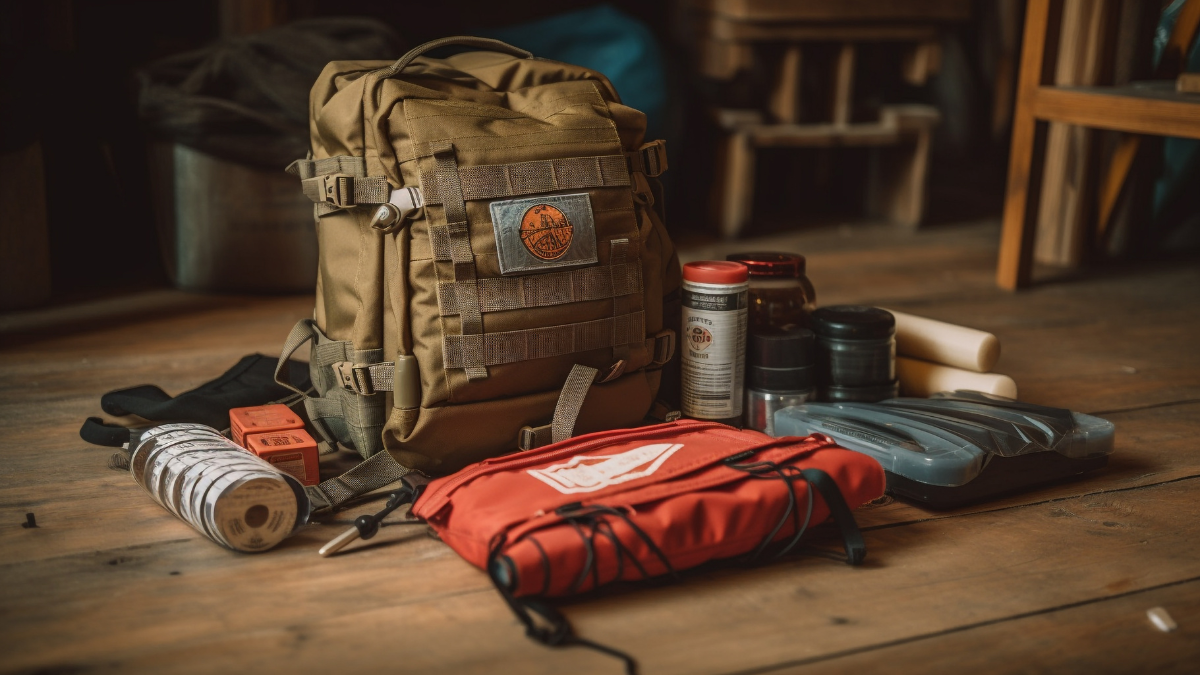

Backcountry travel brings wonder, peace, and beauty. But it also brings risk, and you must respect it. Weather can shift fast, and trails can vanish in the snow. Because of this, a solid safety plan matters on every single trip. You need gear that works well in cold, deep snow, and steep ground. You also want tools that help you act fast when danger strikes. For more ideas on outdoor essentials, you can explore gear naturally on Backcountry before your next trip.
Why Backcountry Safety Gear Matters
The backcountry feels wild and free, but it can turn tough fast. One minute, you enjoy calm skies. The next minute, clouds roll in, winds rise, and snow picks up. Good safety gear helps you handle sudden changes with more confidence.
Every piece of gear plays a role. Some tools keep you warm. Others keep you found. Some help you signal for help. When danger comes, quick action saves lives. Your tools help you stay calm and take smart steps. A strong safety kit is not extra weight. It is your lifeline. It lets you explore with peace and joy.
Avalanche Safety Gear Essentials
-
Avalanche Transceiver
A transceiver helps people find you fast. It sends out a clear signal if you get trapped. Your friends can track the signal and reach you. Always check your battery before each trip. A dead battery can put your life at risk. Keep the device close to your body for the best signal.
-
Avalanche Probe
A probe helps you find the exact spot to dig. It is long and thin, and it pushes through snow with ease. This tool enables you to save time during a rescue. You want a probe that folds small but opens quickly. It must feel strong and firm in your hands.
-
Avalanche Shovel
A shovel helps you dig fast in hard snow. It should be strong and easy to hold. A metal blade works better than a plastic one. You want a handle that fits well in gloves. A shovel is not heavy, but it can save a life when used quickly.
-
Airbag Backpack (Optional)
An airbag pack helps keep you on top of the snow during a slide. It is not a promise, but it helps in many cases. You pull a cord, and the bag fills with air. This enables you to float and avoids deep burial. It adds weight, but many riders still prefer it.
Emergency Survival Gear Checklist
-
First Aid Kit
A first-aid kit helps treat minor cuts and burns. It also helps with pain and swelling. Your kit should include:
- Bandages
- Antiseptic wipes
- Medical tape
- Pain relief tablets
- Gauze pads
Check your kit often. Replace old or used items. You want your kit ready at all times.
-
Map and Compass or GPS
Phones help with maps, but lose battery fast. A map never loses power. A compass always points the way. A GPS also helps you stay on track. You want at least one tool you can trust at all times.
-
Multi-Tool or Knife
A multi-tool helps with repairs. You can use it to cut rope, open gear, or handle food tasks. A knife must be sharp and safe. Keep it in a place that is easy to reach.
-
Fire-Starting Tools
You need fire to stay warm in cold places. You also need fire to cook food or call for help. Good items to carry include:
- A lighter
- Waterproof matches
- A fire starter block
Fire can save your life in low light or cold weather.
-
Emergency Blanket or Bivy Sack
An emergency blanket reflects your heat. It helps you stay warm when temps drop. A bivy sack gives more cover and keeps you dry. These items pack small but make a huge impact.
-
Headlamp or Flashlight
You need light when the sun goes down. Trails look different in the dark. A headlamp is great because it frees your hands. Bring extra batteries so you never run out of light.
-
Extra Food and Water
Food gives strength, and water keeps your body warm. Bring snacks that last long. Nuts, bars, and dried fruit work well. Drink often, even when you don’t feel thirsty.
Winter Clothing and Layering Basics
-
Base Layer
A base layer keeps sweat off your skin. Dry skin stays warmer. Pick a soft fabric that pulls sweat away fast.
-
Mid Layer
A mid-layer traps heat close to your body. Fleece or light jackets work well. You want something warm but not too heavy.
-
Outer Shell
The shell blocks wind, snow, and rain. It keeps the weather out, so you stay warm. Pick one that feels light but strong.
-
Warm Accessories
Small items help a lot. Use warm gloves for your hands. Wear a hat to keep heat in. Thick socks help your toes stay warm. A neck warmer blocks the cold wind on your face.
Navigation and Communication Tools
-
Personal Locator Beacon (PLB)
A PLB sends your location to rescuers. It works even without a phone signal. It helps them reach you fast. You should keep it in a spot you can grab fast.
-
Two-Way Radios
Radios help you talk with your group. They work in places with no phone service. You can share updates and call for help.
-
Whistle and Signal Mirror
These small tools help you get noticed. A loud whistle reaches far. A mirror reflects sunlight to call for help. They weigh almost nothing but help a lot.
Group Safety Tips
Travel with friends. You can watch each other and stay safe. Share your plan with someone at home. They can call for help if you do not return. Check all gear before you leave. A simple check can stop big problems.
Talk often with your group. Share what you see and feel. Look for signs of danger, such as cracks in the snow or strong winds. Stay calm and move slowly when needed. Good teamwork keeps everyone safe.
Quick Pre-Trip Safety Checklist
Use this short list before each trip:
- Check avalanche gear
- Charge your transceiver
- Pack your first aid kit
- Add snacks and extra water
- Bring maps and radios
- Check weather updates
- Tell someone your plan
- Dress in warm layers
This list keeps your mind sharp and ready.
Conclusion
Backcountry travel feels free and wild. But you must prepare with smart tools and steady plans. Safety gear helps you move with confidence and enjoy every moment. It helps you handle storms, cold, and long trails. You can explore more when you feel safe and ready. You can also browse great gear on Backcountry and build a kit that suits your needs. Stay smart, stay safe, and enjoy the wild with care.