






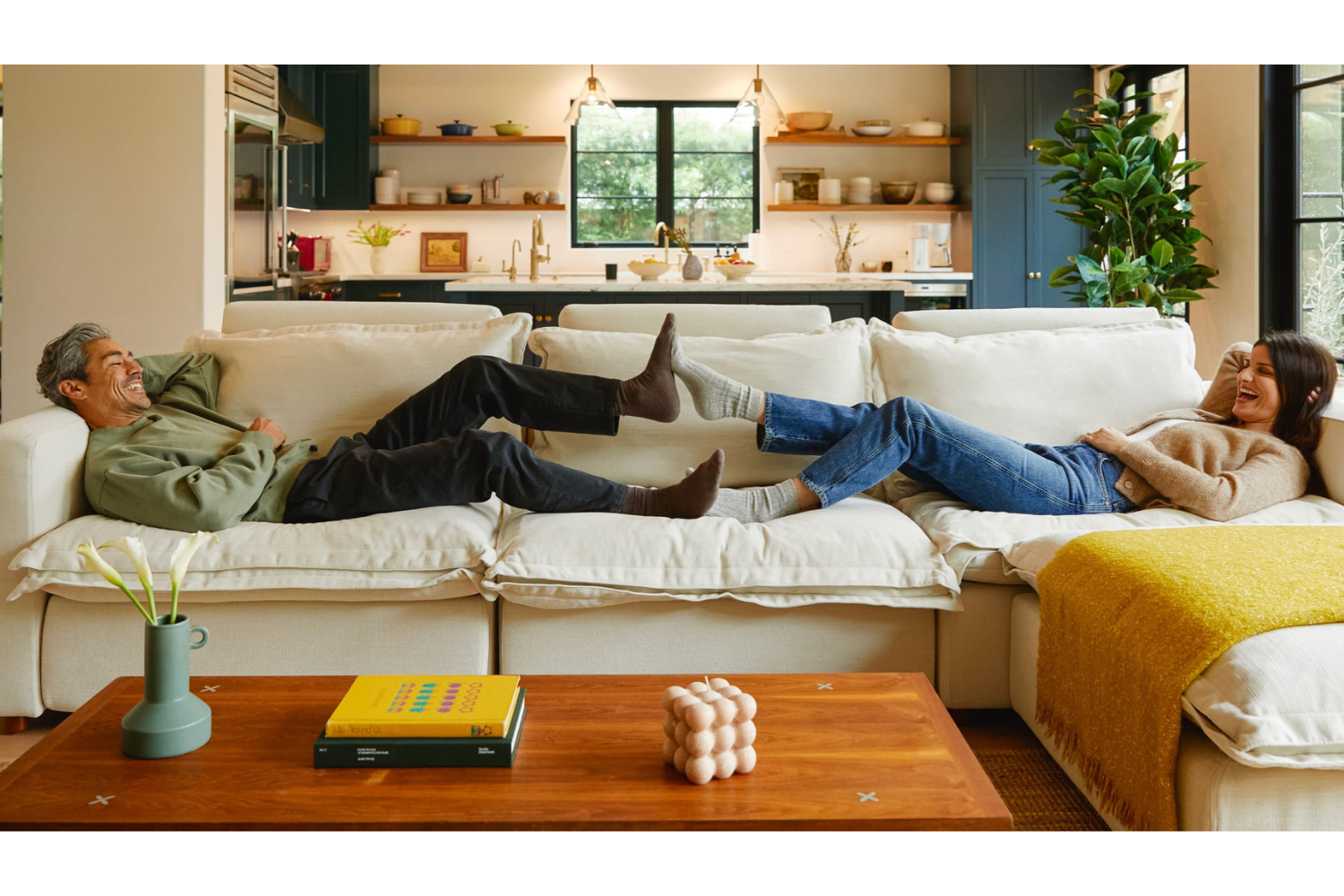
If you live in a small apartment (or plan to), choosing the right sofa is one of the most important (and tricky) decisions. The wrong sofa can make the room feel cramped; the right one can open up the space, add comfort, and even become a focal point. Below is a detailed guide to buying a sofa for a small apartment – plus ideas and examples (with pros, cons, and what to watch out for).
What to Consider Before Buying
Before you even start browsing sofas, spend time planning. Here are key criteria to guide your decision:
| Feature | Why It Matters in a Small Apartment | What to Aim For |
|---|---|---|
| Dimensions & Scale | A sofa that’s too wide/deep will dominate the room and block walkways | Measure the wall/space available, allow clearance (doors, walkways). Avoid pieces deeper than ~35–38″ (or even less) if space is tight. |
| Height / Visual Weight | Tall backs or bulky bodied sofas can “weigh” down the room visually | Opt for low-profile backs, exposed legs (so space underneath is visible) to keep things airy. |
| Seat Depth | Deeper seats reduce circulation room | Choose a medium or shallow depth (e.g. 20–24”) so seating is comfortable without big overhangs. |
| Function / Multi-Use | In small living spaces, every piece often must “do double duty” | Sleeper sofas, modular systems, sofas with storage, or fold-out / pull-down backs are strong choices. |
| Legs & Open Base | Floating furniture looks lighter | Sofas with legs (not skirted, not box base) let light pass under and keep the visual plane open. |
| Modularity / Flexibility | Spaces change (you may move, reconfigure) | Modular pieces that separate or reconfigure help adapt to different layouts. |
| Materials & Maintenance | In smaller homes, wear shows more & cleaning is more frequent | Use fabrics or upholstery that are easy to care for (performance/synthetic blends, slipcovers) and resilient to pets/kids. |
Design experts also caution: avoid oversized, monolithic furniture in small rooms – scale is everything. The Spruce And even sectional pieces can work – but only if they’re well proportioned and low-back.
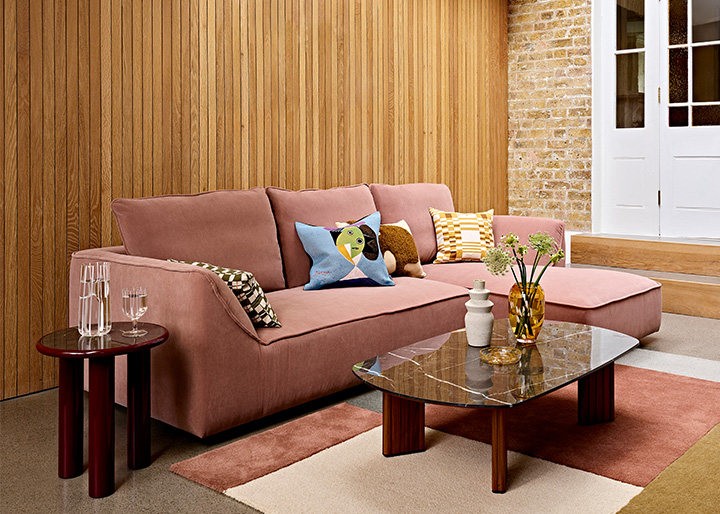
Types of Sofas Ideal for Small Apartments
Here are sofa styles well-suited for tight living quarters:
- Loveseat / Two-seater sofas – compact in width, good balance.
- Apartment-size / compact sofas – designed for narrow spaces (often < 72–80″).
- Modular or sectional (small modules) – allows customizing into L-shapes or linear configurations.
- Sofa beds / sleeper sofas – for hosting overnight guests without needing a separate spare room.
- Storage sofas / with ottoman – extra hidden storage inside for blankets, pillows, etc.
- Slipcover sofas or soft/versatile upholstery – easier cleaning, especially for renters.
Example Sofas That Work Well
Below are sample sofa models (or categories) that are good candidates for small apartments. Use them as inspiration – whether you find similar ones locally or ship.
Note: I couldn’t reliably fetch product listings using the product query tool earlier, but the names below are well-known or often carried by furniture retailers.
- IKEA Klippan
A classic compact sofa with removable, washable covers. It’s slim in depth and width, making it easy to maneuver through doorways.
Pros: Affordable, easy to clean, lightweight.
Cons: Simpler cushioning (less plush), limited modularity. - Albany Park Lido Sofa
Named BHG’s “Best Overall for Small Spaces,” it measures 75″ wide in one of its configurations.
Pros: Good balance of comfort, style, and compact width. Customizable fabrics.
Cons: May be firmer at first; check depth. - Joybird Briar Sleeper Sofa
Excellent for those needing both seating and sleeping space.
Pros: Dual-function, stylish, good for guest setups.
Cons: As a sleeper, comfort (mattress, support) is crucial – test how it feels. Also, sleeper mechanisms sometimes raise the height slightly. - Burrow “Block Nomad” / Modular Sofas
Though some configurations are larger, smaller modules or loveseat versions can be perfect.
Pros: Can grow or reconfigure later.
Cons: If all modules are used, may take up more space than desired. - Compact Sectionals / Small Sectionals
Architectural Digest highlights that sectionals can work in small rooms if they’re properly scaled (low arms, shallow depth).
Pros: More seating in the footprint.
Cons: Be wary – big L’s or oversize chaise sections can overwhelm.
Where to Find Stylish, Space-Saving Sofas
Once you’ve figured out what kind of sofa works best for your apartment, the next step is finding the right retailer. Fortunately, some brands are experts at creating smart, beautiful furniture that’s perfect for small spaces.
IKEA remains a top choice for apartment living. Their sofas – such as the KLIPPAN, FRIHETEN, or VIMLE – are designed for flexibility, affordability, and compact comfort. Many models include hidden storage, pull-out beds, or washable slipcovers, which make them ideal for renters and small-space dwellers alike. IKEA also offers online room-planning tools to help you visualize your setup before you buy.
For those who prefer a more contemporary or design-driven aesthetic, Article is a fantastic option. The brand is known for its mid-century and Scandinavian-inspired furniture, offering a curated selection that feels upscale but remains practical. Sofas like the Sven, Ceni, and Nova are loved for their clean lines, neutral tones, and low profiles – all of which help make small rooms appear larger and more open.
Whether you lean toward IKEA’s modular practicality or Article’s modern sophistication, both brands prove that a well-chosen sofa can completely transform a small apartment – offering comfort, style, and smart use of every inch of space.
Tips & Best Practices for Buying & Placing a Sofa in a Small Apartment
- Measure religiously – measure width, depth, height, doorway clearance, and ceiling height. Remember to leave breathing room around it.
- Leave walking space – don’t jam the sofa against everything else; leave some clearance so the room doesn’t feel boxed in.
- Use rugs / layout cues – a rug can define the seating zone and make a compact sofa feel intentionally placed.
- Keep the back low – avoid sofas with tall backs or big arms that block sight lines across the room.
- Expose legs – sofas with visible legs make the space look lighter and allow cleaning under them.
- Pick light / neutral tones – lighter colors reflect light and make rooms feel bigger.
- Minimalist profile – avoid overly bulky arms or ornamentation.
- Test in person when possible – sit for comfort, test the depth, check if cushions sag.
- Think ahead for moves – if you’ll move or need to carry the piece upstairs, modular or simpler assemblies are better.
- Combine with multipurpose furniture – pair with slim side tables, nesting tables, or storage ottomans rather than bulky pieces.